Mount Agung
Bali's Sacred Mountain of Gods, Dragons and Fire
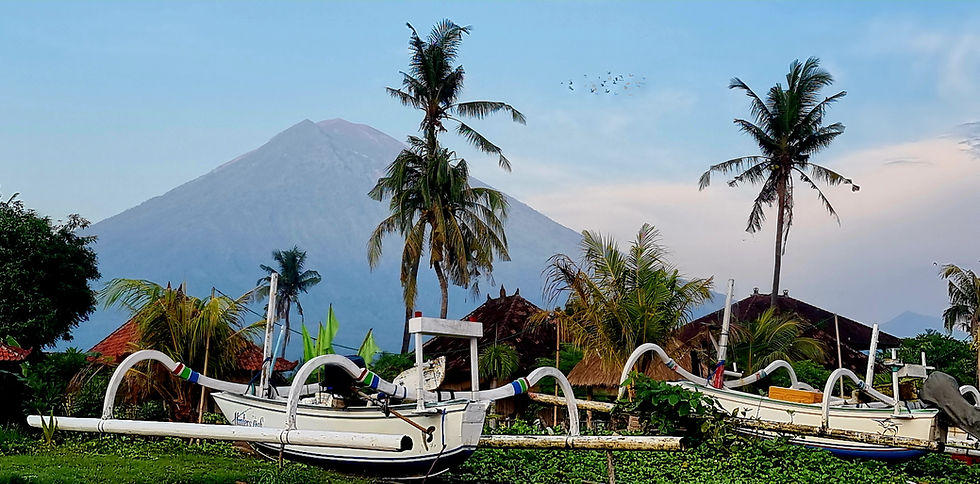
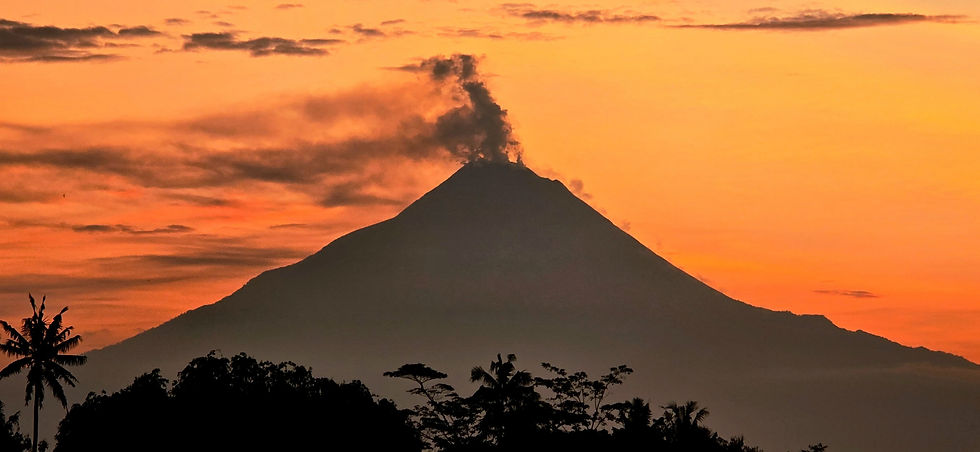
For hundreds of thousands of years, Mount Agung has dominated Bali's eastern horizon, its towering cone rising over 3000 metres above the island and shaping both the landscape and the lives of those who live in its shadow. As Bali's highest peak and one of Indonesia's most active volcanoes, it has created fertile plains, altered river systems and repeatedly transformed the island through eruptions of fire and ash. Yet its significance extends far beyond geology. For centuries, Balinese Hindus have regarded Agung as the spiritual centre of the universe, a sacred mountain where the realms of gods, ancestors and humanity converge. More than a volcano, it is seen as a living axis connecting the visible world to unseen forces, a presence that continues to influence Bali's religious traditions, sacred geography and understanding of cosmic balance.
Ancient Balinese traditions explain that sacred role through a series of interconnected myths that place Mount Agung at the beginning of the island's spiritual history. According to texts such as Usana Bali, the supreme deity Pasupati carried portions of the cosmic Mount Meru, also known as Mount Sumeru, from the centre of the universe and brought them to Bali. One fragment became Mount Agung while another formed Mount Batur. These were not viewed as ordinary mountains but as physical manifestations of a divine cosmic structure. Their arrival transformed Bali into a sacred landscape, with Agung becoming the island's spiritual heart and ultimate point of orientation.
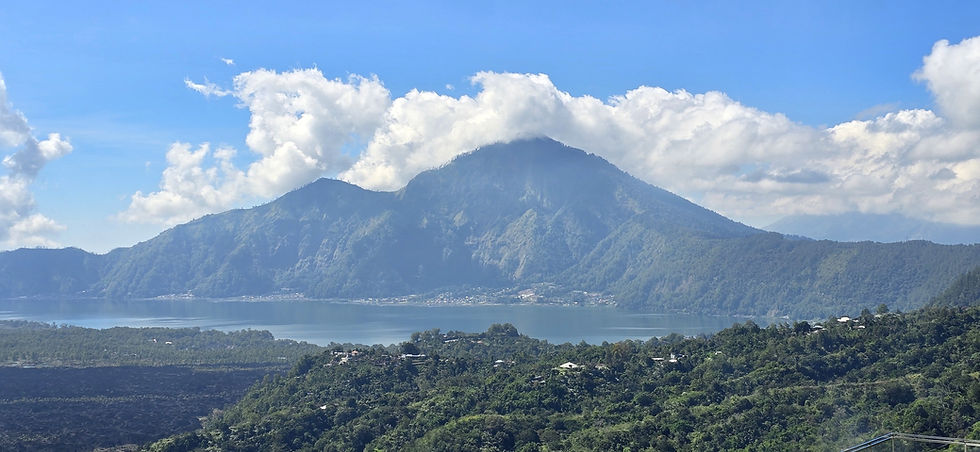
The mountain's mythology deepens with accounts recorded in traditional Balinese texts describing early eruptions that occurred long after its creation. Following one of these fiery events, the elder deity Hyang Putrajaya, also known as Ida Bhatara Lingsir Giri Tohlangkir, is said to have emerged from the volcano's blazing caldera alongside his sister Dewi Danu. Pasupati then appointed them as guardians of Bali's prosperity and balance. Hyang Putrajaya took residence upon Mount Agung, Dewi Danu established her domain at Lake Batur and their younger brother, Hyang Gnijaya, settled at Mount Lempuyang. Unlike many deities worshipped throughout the Hindu world, these figures are uniquely Balinese, with no known counterparts in Indian religious texts. Their stories reflect an older spiritual layer that remains deeply woven into the island's religious identity.
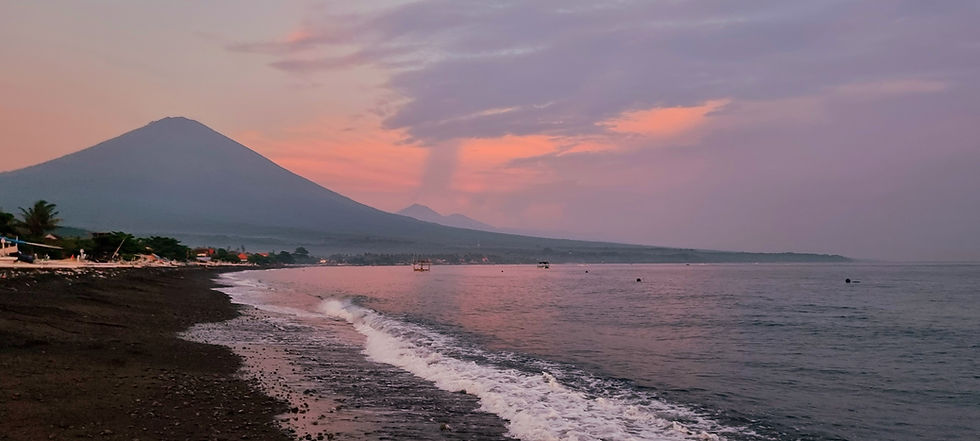
Over time, Mount Agung also became associated with Mahadewa, the Balinese manifestation of Shiva, creating a rich fusion between indigenous beliefs and Hindu theology. The mountain's summit came to be viewed as the ultimate throne of the gods, a sacred realm inhabited not only by divine beings but also by the spirits of deified kings and ancestors. In Balinese belief, these ancestral souls reside upon the mountain before eventually returning through reincarnation. This understanding helped establish Agung as what many describe as the "Navel of the World." Every temple in Bali includes a shrine facing toward the mountain, and worshippers traditionally orient themselves in its direction during prayer, acknowledging its role as the island's spiritual centre.
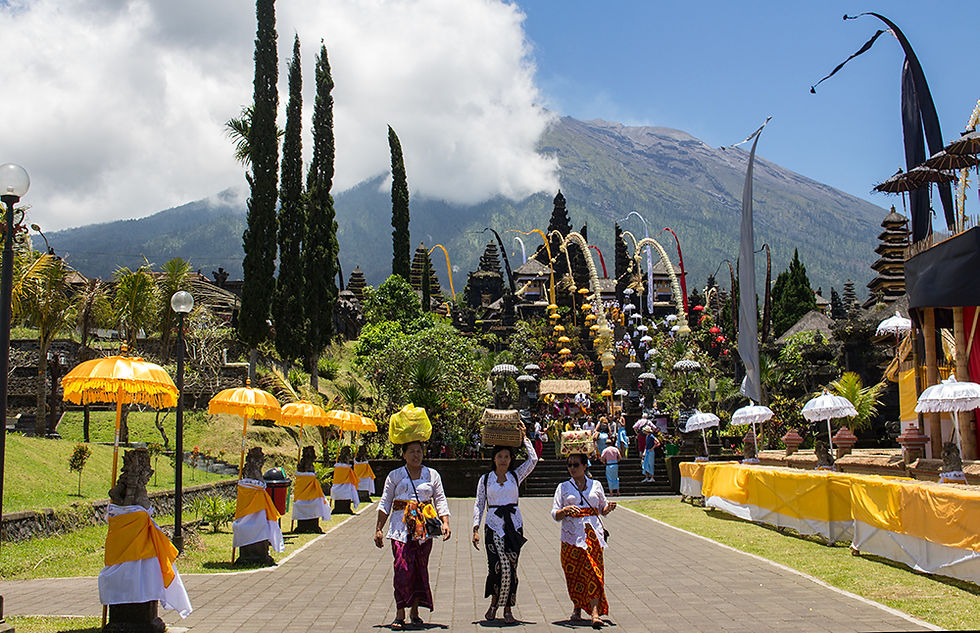
At the foot of the volcano lies Pura Besakih, Bali's largest and most important temple complex. Long before it became known as the Mother Temple, the site is believed to have been a simple hermitage associated with the sage Kulputih. It later expanded under the influence of the revered priest Danghyang Markandeya and grew into the island's most significant religious centre. Besakih is first and foremost dedicated to Hyang Putrajaya, whose presence remains central to its spiritual identity. Over centuries, Bali's ruling dynasties established shrines within the complex, while clans from across the island built temples dedicated to their ancestors. The result was an extraordinary congregation of ancestral spirits, royal lineages and sacred traditions gathered around the slopes of Mount Agung, reinforcing the mountain's status as the focal point of Balinese religious life.
Among the most enduring legends surrounding Agung is that of Basuki, the great cosmic dragon. Revered alongside two other sacred serpents as manifestations of divine power, Basuki is said to have helped transport the sacred mountain to Bali before taking refuge within its depths. Local tradition describes the dragon as the guardian of immense treasures hidden inside the volcano, protecting both material riches and sacred knowledge. These beliefs are closely linked to Pura Goa Raja, a small and often overlooked cave temple near Besakih dedicated to the cosmic serpents. Hidden within a damp stone alcove where water constantly drips from the rock, the shrine was once associated with mysterious cave passages. One was said to lead deep into the heart of Mount Agung itself, while another supposedly connected to Goa Lawah, the famous Bat Cave Temple more than thirty kilometres away. During both the 1963 and 2017 eruptions, witnesses reported sulphurous fumes and volcanic smoke emerging near the cave, strengthening local beliefs that unseen passages still connect the shrine to the volcano's interior.
Mount Agung's eruptions have long been interpreted as more than geological events. Ancient lontar manuscripts record numerous eruptions between the 11th and 19th centuries, including a devastating eruption in 1711 that destroyed villages on its slopes and caused significant loss of life. Within traditional Balinese thought however, volcanic activity was often understood as a sign that cosmic balance had been disturbed. Eruptions, earthquakes, unusual celestial events and natural disasters were frequently viewed as warnings that periods of social or political upheaval were approaching. The mountain was not considered a passive feature of the landscape but an active participant in the island's destiny, capable of communicating through fire, ash and destruction.
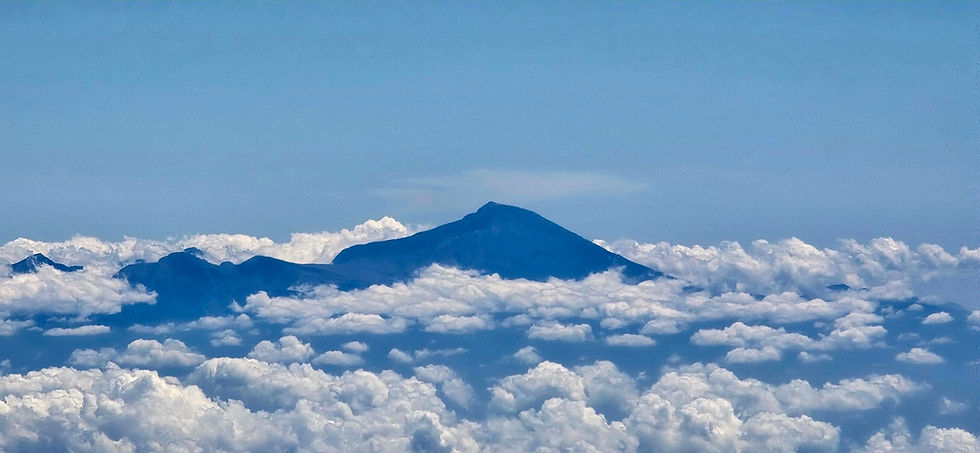
This belief was dramatically reinforced by the catastrophic eruption of 1963. The disaster occurred during preparations for Eka Dasa Rudra, a sacred ceremony performed only once every hundred years to restore harmony throughout the universe. Several priests reportedly warned that the ritual was being conducted at an unfavourable time, yet it proceeded regardless. When Agung erupted with devastating force, many Balinese interpreted the catastrophe as a manifestation of divine displeasure and a reflection of broken cosmic balance. In later years, some spiritual leaders drew connections between the eruption and the political violence that swept Indonesia in 1965, viewing both events as part of a larger pattern of disorder foretold by the mountain's awakening. Today, Mount Agung remains one of Indonesia's most closely monitored volcanoes, yet for many Balinese it is still far more than a geological phenomenon. It endures as a sacred mountain where creation myths, ancestral spirits, divine rulers, cosmic dragons and the forces of nature converge, continuing to shape the island's identity as profoundly as they have for centuries.
🗺️ Location
Gunung Agung, Karangasem Regency, East Bali, Indonesia
⭐ Attraction Info
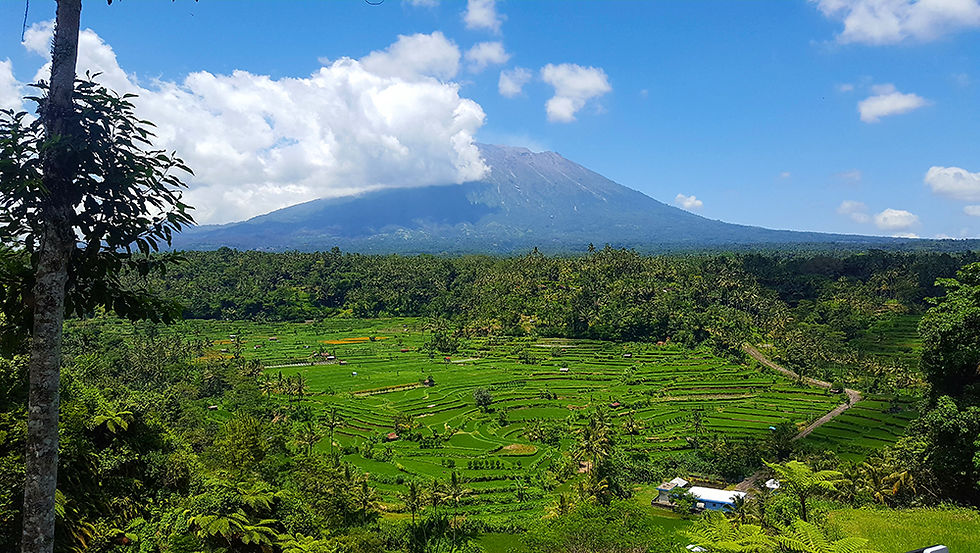
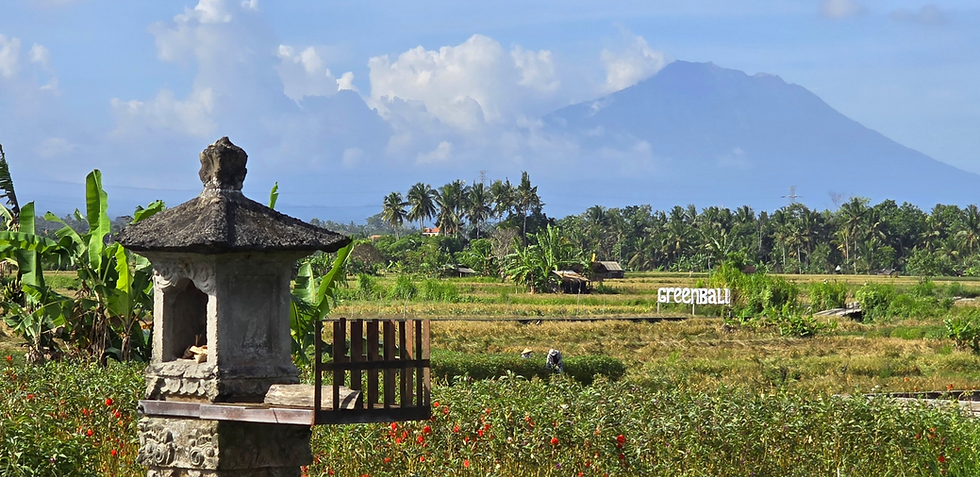
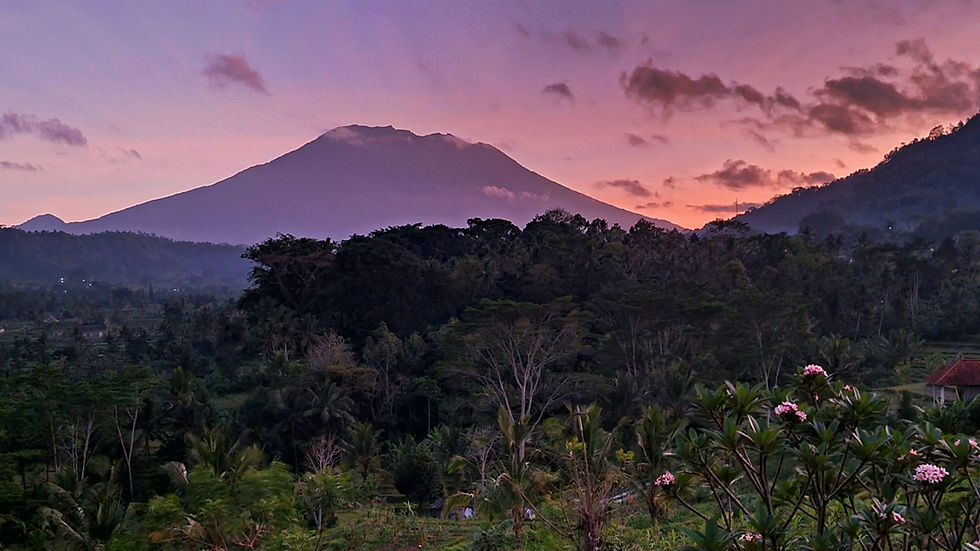
On clear days, Mount Agung is visible from large parts of the island, often rising above rice terraces, coastal plains and distant village skylines. It is an active volcano and access is strictly regulated. A designated exclusion zone of 2km's is enforced around the summit hazard area, with restrictions adjusted depending on volcanic activity levels and official safety assessments. At times, the mountain and its trekking routes have been fully closed to the public, and summit climbs are not always permitted even when lower areas remain accessible. There is no general entry fee to view Mount Agung itself, though surrounding temple and heritage sites such as Pura Besakih and Tirta Gangga Water Palace charge entrance fees. Visitors should always check current local conditions before attempting any approach, as access can change without notice due to volcanic activity and weather.
Thanks for reading about Mount Agung. Check out more awesome destinations here!