The Grand Palace of Peliatan
Updated: Jul 5
A Palace of Light, Shadows and Ancestral Power
Known locally as Puri Agung Peliatan, this grand old palace sits quietly in the heart of Ubud, its walls steeped in centuries of Balinese royal history. Established in the 17th century by the Ksatria royal family of the Sukawati dynasty, it functioned as one of the primary seats of power connected to the sovereign authority that emerged after the fall of the Gelgel kingdom. More than a royal residence, the palace formed part of a wider network of fortified compounds where sacred heirlooms, ritual weapons and symbols of royal legitimacy were once safeguarded, lending the site an enduring spiritual charge. The name “Peliatan” is thought to derive from the Balinese word pelita, meaning “light” or “lamp,” a symbolic reference to its role as a cultural and ritual beacon within the region. Visitors approaching the palace are greeted by towering gates and intricately carved stone guardians that whisper of old rites, dynastic politics and the unseen forces believed to continue shaping Ubud’s spiritual landscape.

The palace grounds are a labyrinth of pavilions, courtyards and temples, each structure layered with meaning. The central Balé Kambang, a floating pavilion over a pond, is a stunning example of classical Balinese architecture but also a site where ominous stories linger. Locals speak of apparitions that appear in the mist rising from the water at dusk, thought to be the spirits of palace ancestors and former royals, still wandering the corridors of power, centuries after their death. The design of the palace itself, a careful balance of mandala geometry and sacred orientation, was meant to align with cosmic and spiritual forces, a protective measure against malevolent spirits as much as a demonstration of royal prestige.

Puri Agung Peliatan has long been associated with the shadowed realities of Balinese royal life, where power was maintained not only through lineage but also through ritual authority and spiritual control. Balinese courts engaged in internal conflict, ritual punishment and warfare, the palace reflects this history through its spatial hierarchy and restricted areas. Certain inner sections, including enclosed ritual pavilions and temple sanctums not accessible to outsiders, were historically reserved for royal rites and the safeguarding of sacred heirlooms, reinforcing the belief that the compound exists in close proximity to ancestral and mystical forces. For many locals, Peliatan is regarded as a place where the presence of former rulers has never fully departed, lending the site a lingering sense of vigilance, sacred authority, and quiet unease. Whispers of old feuds are said to drift through the wind in the courtyards, a faint echo of the palace’s turbulent past.

Embedded within the Peliatan Palace are sacred shrines known as Pelinggih, dedicated to guardian spirits and ancestral deities. One of the most venerated stands near the main entrance. It is a small stone structure with a tiered roof, intricately carved panels and a miniature gateway, where offerings of incense, flowers and rice are regularly presented to honour the old kings. These shrines, though modest in size, serve as powerful focal points for spiritual protection and local belief holds that neglecting the rituals performed here can bring misfortune not only to the royal family but to the surrounding village as well. The ceremonies conducted at these Pelinggih are thought to be hundreds of years old, blending animist traditions with Hindu practices, creating a layered cultural and mystical identity that is unique to this palace.

Art and performance at Puri Peliatan carry deep cultural and spiritual significance. The Peliatan Royal Dance Troupe, renowned across Bali, performs classical dances that were originally ritualistic, designed to honour ancestors and maintain cosmic balance. Legong and Gambuh, among the oldest court dances, trace their movements, gestures and expressions to centuries old narratives, often drawn from epic tales of kings, warriors and the spiritual world. While modern performances are presented for audiences, many of the original rituals are preserved and performers sometimes report profound emotional or spiritual experiences, reflecting the palace’s long standing association with sacred traditions and ancestral reverence.

Despite its historical and mystical layers, Peliatan Palace has also been a symbol of resilience and adaptation. After colonial and political upheavals in the early 20th century, including Dutch interventions and internal palace disputes, the royal family preserved much of its ceremonial power and cultural influence. Today, the palace remains both a private residence and a cultural centre, hosting traditional ceremonies, temple festivals and art exhibitions. Yet even in its peaceful modern guise, the shadow of its dark legends persists. Many claim that the palace gates, especially at night, are guarded by spirits that watch over the sacred lineages and ancestral treasures hidden within.

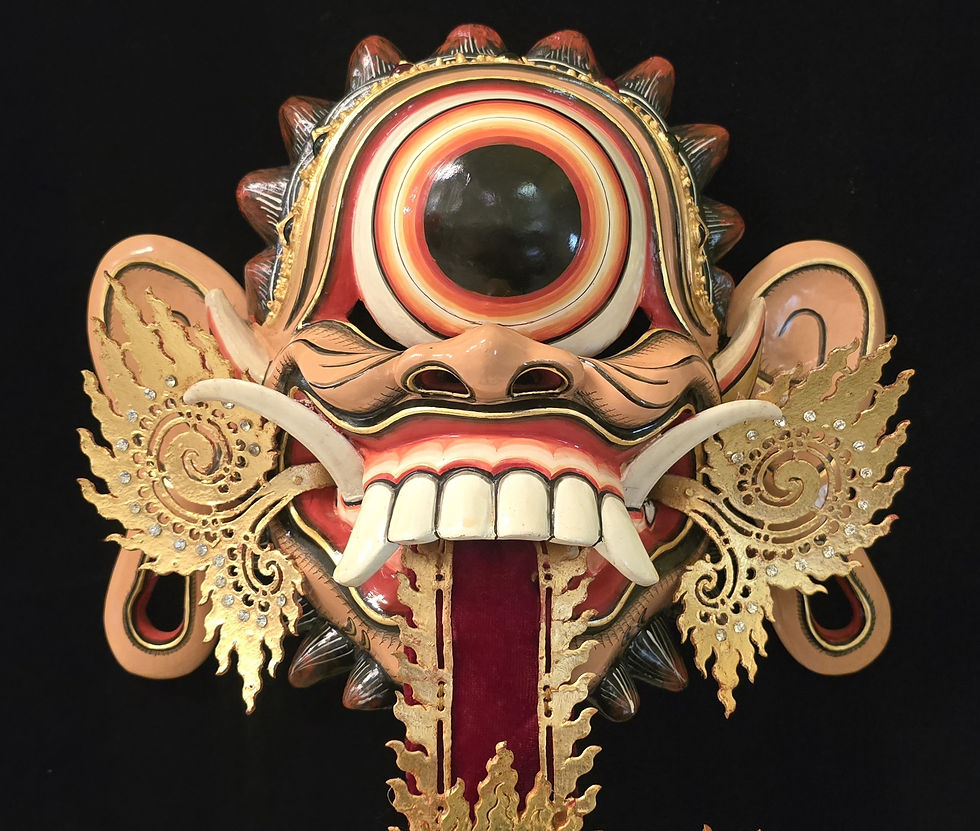
The palace’s architecture itself tells stories of devotion and vigilance. Elaborate candi bentar gates, lotus carved pillars and tiered meru shrines create a visual narrative of balance, protection and cosmic order. Each structure is said to correspond to a specific protective spirit and locals assert that disturbances to this delicate balance can invite misfortune. The oldest carvings, dating back more than 300 years, depict not only deities but also creatures of shadow, rakshasas and demons, serving as reminders that the palace is both a seat of earthly power and a nexus of the spiritual unknown. It is in this fusion of art, royalty and the supernatural that Peliatan Palace continues to captivate visitors, offering a glimpse into a world where beauty and darkness coexist inextricably.

🗺️ Location
Jalan Raya Peliatan, Ubud, Gianyar Regency, Bali, Indonesi
🚆 How to get there
Puri Agung Peliatan is located in the eastern part of Ubud, surrounded by traditional village streets and rice paddies. The palace is easily reachable on foot from central Ubud, with a pleasant 30 minute walk through scenic lanes lined with artisan shops, temples and small family compounds. For those preferring faster transport, a Go-Jek scooter will take about 5 minutes and cost arouns 20,000 IDR one way. Its proximity to other cultural sites, such as Saraswati Water Palace, the Pura Dalem and the Monkey Forest, makes it convenient to include in a walking or driving tour of the area.
⭐ Attraction Info
Puri Agung Peliatan is generally open daily between 10am - 5pm and visitors can explore the accessible areas for free, though donations are appreciated. Certain sections, particularly during royal dance performances or ceremonial events, may have a separate fee set by the palace. Guests can wander the courtyards, gardens and Pelinggih shrines, while inner sanctums and family quarters remain off limits. As a sign of respect, I would recommend bringing and wearing a sarong. The best time to visit is typically early morning or late afternoon for the best photography lighting and exploring the grounds usually takes around half an hour. This palace is much less visited than Ubud Palace on the main street and is pleasantly much more quiet.

Thanks for reading about The Grand Palace of Peliatan. Check out more awesome destinations here!